Cushing’s Disease in Dogs
What is Cushing’s disease in dogs
Speak to a Human Today
Worried about your dog? Call us now and we’ll answer your questions, explain your options, and help you take the next step for your dog’s quality of life.
No question too small—our team has helped thousands of dogs move from ‘Eeyore to Tigger’.
Get in Touch Online
We know you want the best of the best for your dog, and we also know you're a busy person. If you want to get your dog back to being happier, healthier and doing what you both love and want to get booked in - click on the link below and fill out the short form and we will get back to you shortly about making a difference to your dog's pain and mobility.
Common symptoms of Cushing’s disease in dogs
- Drinking more than usual and needing to wee more often (including accidents in the house)
- Increased appetite, food seeking, or seeming constantly hungry
- Panting more easily, including at rest or at night
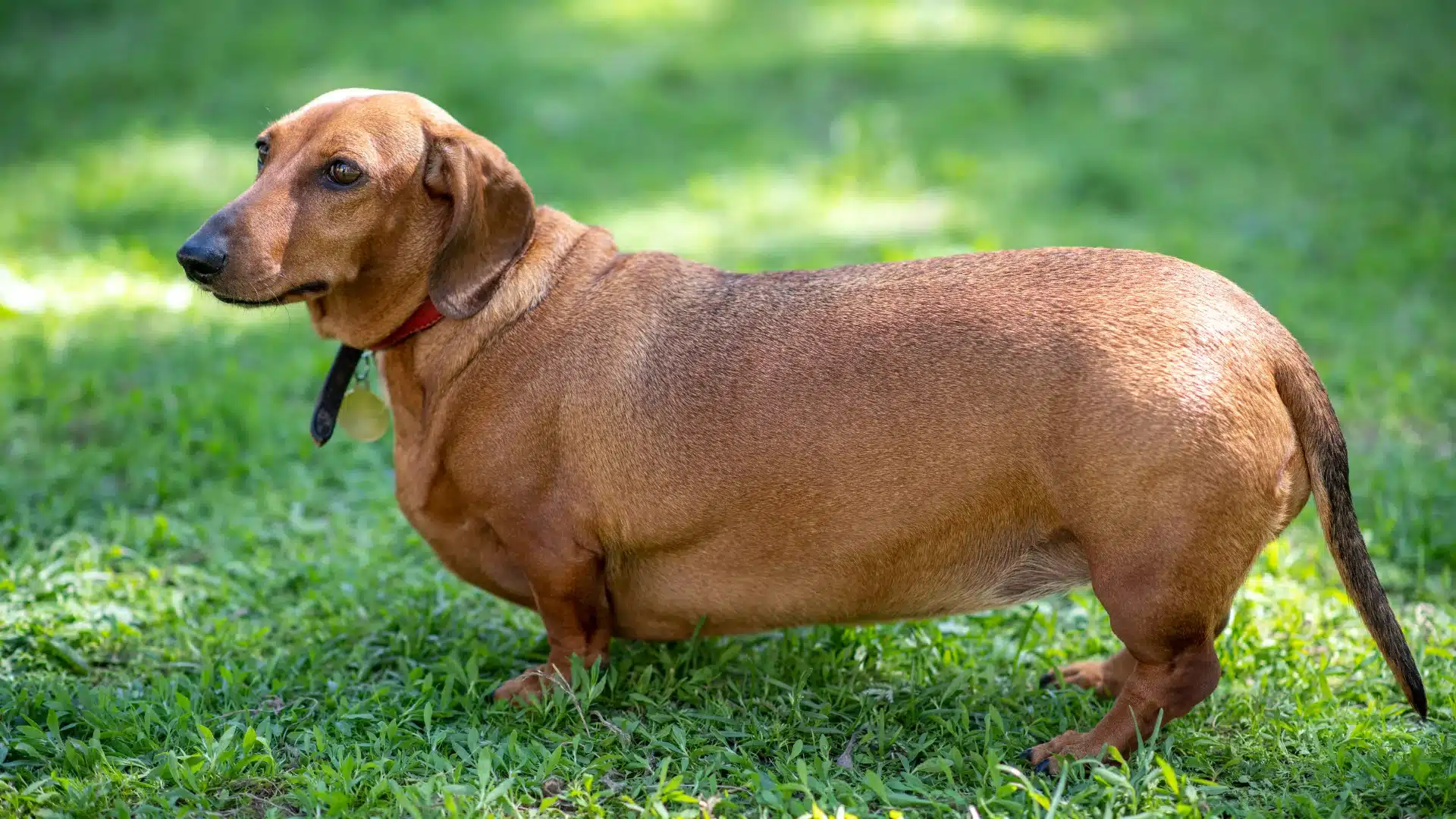
- A pot bellied or rounded tummy appearance
- Muscle weakness, tiring sooner on walks, or struggling with stairs and jumping
- Thinning coat, hair loss, or skin changes (including fragile skin)
- Recurrent skin or ear infections
- Restlessness, pacing, or changes in sleep
Get a clear rehab plan today that works — friendly, no-jargon guidance that actually helps your dog
Easy to get to clinic, all the team are under one roof — no bouncing between clinics, no conflicting advice, and no repeating your dog’s story. IRVAP-registered and results-focused.
- Joined-up care: physiotherapy + hydrotherapy working together as they should to maximise the best effect.
- Clear next steps: simple home plan and check-ins, Great Vet Physio and hydrotherapy.
- Friendly & honest: no jargon, no hard sell — just what’s best for you and your dog.
How vets diagnose Cushing’s disease in Dogs
- A history and physical exam, including questions about thirst, weeing, appetite, panting, sleep, and energy
- Blood and urine tests to check overall health and rule out other causes
- One or more specific hormone tests to assess how cortisol is being regulated
- Sometimes imaging, depending on the case and what your vet suspects
Treatment for Cushing’s disease in dogs
- Medication to help control cortisol levels
- Regular check ups, blood tests and symptom monitoring
- Managing related issues such as skin or ear infections, weight gain, high blood pressure, or other changes picked up on tests
- Practical advice on diet and weight management
Why rehab can help dogs with Cushing’s disease
Owners commonly tell us they’re scared of making things worse. They do not want to overdo it, but they also do not want their dog’s world to shrink to short toilet trips and lots of rest. Symptoms can fluctuate so it can be hard to know what is “normal” and what is a sign things are slipping.
- Rebuilding strength safely, so everyday movement feels easier
- Improving balance and confidence, especially on turns, steps and slippery surfaces
- Reducing strain on joints by improving muscle support
- Keeping activity consistent, without the boom and bust cycle of doing too much then needing days to recover
- Supporting weight management by making movement feel more comfortable
- Giving you a simple home plan, so you know what to do between sessions, what to avoid, and what progress should look like over the next few weeks
If you’re looking for help in Darlington and the wider North East, the next step is choosing a clinic you can trust to guide you clearly and adjust the plan as your dog changes. Here’s what makes Butterwick different.
Why Choose Butterwick Animal Rehab Clinic?
At Butterwick Animal Rehab Clinic, we don’t just care for dogs—we care for the people who love them. We know how much your dog means to you, and every decision we make is rooted in compassion, trust, and exceptional care. Here’s what sets us apart:
What our customers say about us

About Your Clinical Lead: Mark Harding
Mark is the founder and Clinical Director of Butterwick Animal Rehab Clinic in Darlington, bringing over two decades of experience in canine rehabilitation. As an IRVAP registered veterinary physiotherapist and former Chair of the Canine Hydrotherapy Association, he works closely with local veterinary surgeons across County Durham and North Yorkshire to guide dogs safely back to full mobility.
Meet Mark and the full Darlington rehabilitation team →Cushing's Frequently asked questions
Below are answers to the most common questions we hear from owners after a Cushing’s diagnosis.
Physiotherapy and hydrotherapy cannot treat Cushing’s disease itself, but they may help support dogs experiencing muscle weakness or difficulty moving. We’ll assess your dog and discuss whether gentle exercises, hydrotherapy or another approach is suitable. We’ll work alongside your vet and adjust the plan to suit your dog’s health and energy levels.
Hydrotherapy may be suitable for many dogs with Cushing’s disease, but it depends on their overall health and how well their condition is being managed. We’ll work alongside your vet and assess your dog before recommending it. If hydrotherapy isn’t the right fit, we’ll discuss other ways to support their comfort and movement.
Many dogs with Cushing’s disease can still enjoy exercise, but the right amount depends on their health, strength and energy levels. Gentle, regular walks may be more manageable than long or strenuous outings. If you’re unsure how much is right for your dog, speak to your vet. We can also assess their movement and help you build a safe, manageable routine.
Muscle weakness can be a sign of Cushing’s disease, and you may notice your dog struggling with stairs, getting up or enjoying their usual walks. However, weakness can have other causes too, so speak to your vet, particularly if it is new or getting worse. Once your vet has assessed your dog, we can help you explore ways to support their strength and movement.
Usually, yes. Veterinary consent is generally needed before your dog starts physiotherapy or hydrotherapy. We usually arrange this for owners. If you're unsure, contact us and we’ll explain the next steps.
If you’re worried about pain, mobility, or day to day comfort, speak to your vet and get in touch with us. We’ll answer your questions and help you choose the right first appointment. If we’re not the right fit, we’ll tell you and point you to the best next step.
Early signs are often increased thirst and weeing, increased appetite, and panting more easily. Some owners also notice their dog is slowing down on walks or seems less steady. Your vet can advise on testing.
Many dogs live for years with Cushing’s, especially when the medical side is well managed. What matters most is how your dog is coping day to day. Rehab can help support strength, comfort and mobility so quality of life stays as good as possible.
Cushing’s itself is not always painful, but it can contribute to muscle weakness, joint strain, and flare ups of arthritis or other conditions. If your dog is stiff, reluctant to move, or struggling with stairs, it’s worth addressing the mobility side early.
The pot belly appearance is usually due to a combination of muscle weakness and changes in how fat is distributed in the body. It’s a common sign and one of the reasons owners notice their dog’s shape changing.
Panting is common with Cushing’s, but if panting is sudden, severe, happening at rest, or paired with distress, collapse, or breathing difficulty, contact your vet urgently. If it’s persistent but stable, it’s still worth discussing with your vet.
Conditions We Treat
At Butterwick Animal Rehab Clinic, we specialise in helping dogs with:
- Cruciate Ligament Injuries (e.g. CCL tears, TPLO recovery)
- Osteoarthritis in Dogs
- Canine Hip Dysplasia
- Intervertebral Disc Disease (IVDD)
- Luxating Patella
- Elbow Dysplasia
Not sure if your dog qualifies? Get in touch for expert advice or a free discovery visit.
Speak to a Human Today
Worried about your dog? Call us now and we’ll answer your questions, explain your options, and help you take the next step for your dog’s quality of life.
No question too small—our team has helped thousands of dogs move from ‘Eeyore to Tigger’.
Get in Touch Online
We know you want the best of the best for your dog, and we also know you're a busy person. If you want to get your dog back to being happier, healthier and doing what you both love and want to get booked in - click on the link below and fill out the short form and we will get back to you shortly about making a difference to your dog's pain and mobility.