Elbow Dysplasia in Dogs: How to improve Mobility & Reduce Pain
Elbow dysplasia is a progressive condition, but with the right treatment, your dog can stay active, comfortable, and happy for years to come. Let’s explore what’s happening inside their elbows—and how we can help.
Click Here to Start Your Dog’s Journey to a Happier, More Active, Pain-Free Life!
Understanding Elbow Dysplasia in Dogs
Elbow dysplasia in dogs is one of the leading causes of front leg lameness and pain, often showing up when you least expect it, sometimes as early as five months old. If you’ve noticed your dog limping, avoiding walks, or struggling to get comfortable after play, you’re not alone.
Many owners describe the heartbreak of watching their once-active companion slow down, lose interest in favourite activities, or even flinch at gentle touch. It’s confusing, worrying, and can leave you feeling helpless especially when you just want answers and hope. That’s where Butterwick Animal Rehab Clinic steps in.
With over 20 years of experience of helping dogs with Elbow Dysplasia and 180+ five-star reviews, we specialise in treating elbow dysplasia, helping dogs across Darlington and the North East regain mobility, relieve pain, and rediscover their zest for life, often without surgery. Let us help you get your dog’s spark back.
But what does it mean? The term “dysplasia” refers to the improper development of a body part. In dogs, the elbow is a particularly intricate joint, formed by the coming together of three separate bones. When these bones fail to align precisely during growth, it causes uneven pressure within the joint. Over time, this misalignment leads to increased stress on certain areas of the elbow, which can result in pain, inflammation, and long-term joint damage.
- ⭐️⭐️⭐️⭐️⭐️ “I took my Labrador here for physio and hydrotherapy—within 3 weeks, he was hardly limping at all! He came in with arthritis in his elbow and stiff hips, but now he moves so much more freely. The team truly understands how much my dog’s health means to me.” – Debbie D.
-
At Butterwick Animal Rehab, we specialise in non-surgical treatments for elbow dysplasia, helping dogs reduce pain, improve mobility, and regain their enthusiasm for daily life. -
Whether your dog has recently been diagnosed or has been struggling for years, our physiotherapy and hydrotherapy programmes are designed to support their long-term health.
Click Here to Start Your Dog’s Journey to a Happier, More Active, Pain-Free Life!
Elbow Dysplasia symptoms
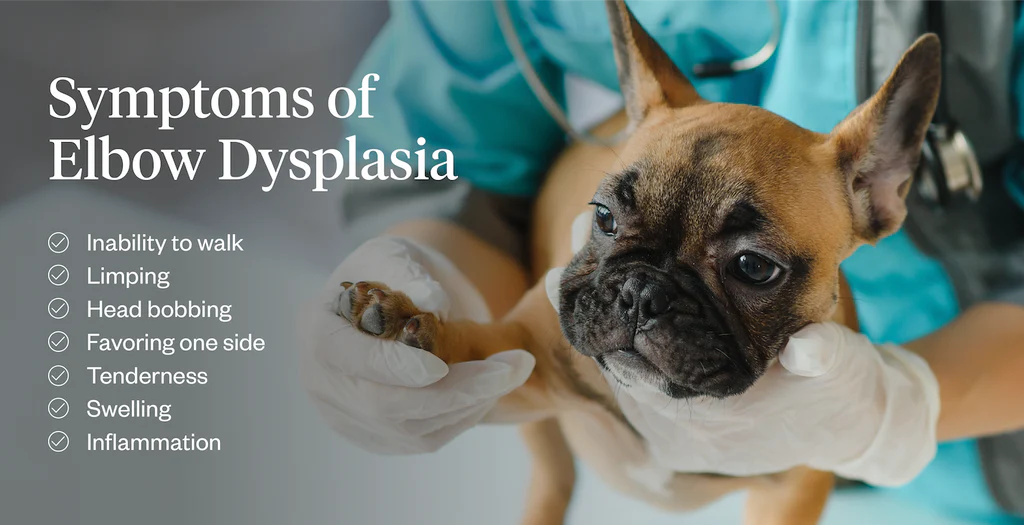
Recognising the Signs – Don’t Ignore These Red Flags
Dogs with elbow dysplasia often start showing subtle signs early, but these can be easy to miss—especially if both front legs are affected. Many owners assume their dog is just a little stiff after play, but consistent lameness, reluctance to walk, or changes in movement are all signs of a deeper issue.
Limping or Favouring a Front Leg –
Your dog may avoid putting weight on one or both front legs.
Head Bobbing When Walking –
If one leg is worse than the other, they may lift their head when the sore leg touches the ground.
Reluctance to Exercise –
Your dog may hesitate before running, jumping, or going for walks. In some cases, they may refuse to complete a walk altogether.
Stiffness, Especially After Rest –
Symptoms may be worse in the morning or after long periods of inactivity but improve slightly after warming up.
Swollen or Painful Elbows –
You may notice one or both elbow joints are warm or swollen, and your dog might flinch if you touch the area.
Shortened Stride or ‘Paddling’ Gait –
Some dogs with elbow dysplasia don’t show a clear limp but move in a stiff, unusual gait to compensate for pain.

Why These Symptoms Matter
- If left untreated, elbow dysplasia progressively worsens over time, leading to pain, arthritis, and loss of mobility. The earlier we start rehab, the better the outcome for your dog.
- ⭐️⭐️⭐️⭐️⭐️ “Our young Chow Chow was born with elbow dysplasia, and unfortunately, surgery didn’t work. He was stiff, struggling to walk, and losing mobility. Since starting hydrotherapy and physiotherapy at Butterwick, I can’t believe the difference!” – Nicki
What Causes Elbow Dysplasia?
Why Does Elbow Dysplasia Happen?
Elbow dysplasia occurs when the bones that form the elbow joint don’t fit together perfectly, leading to uneven weight distribution, excess joint stress, and long-term damage. This abnormal development can result in pain, stiffness, and arthritis, often appearing in young, large-breed dogs.
- Common Causes of Elbow Dysplasia:
-
Genetics – Some breeds are more prone to elbow dysplasia, including Labradors, Rottweilers, German Shepherds, and Golden Retrievers. -
Abnormal Bone Growth – If the radius, ulna, and humerus (the three bones of the elbow joint) don’t grow in perfect alignment, it can cause excessive pressure on certain areas, leading to pain and lameness. -
Wear and Tear – Repetitive impact, especially in active or working dogs, can accelerate joint damage. -
Obesity – Carrying extra weight puts more strain on the elbow joints, worsening symptoms over time.
It’s heartbreaking to see your dog limping, slowing down, or struggling to keep up on walks. Maybe you’ve noticed them avoiding exercise, holding their leg out strangely, or even bobbing their head as they move. If you’re worried about their pain, their future mobility, or whether they’ll need surgery, you’re not alone. We are here to help, just get in touch and we can start your dog’s journey to a better quality of life with less elbow pain.
Get a clear rehab plan today that works — friendly, no-jargon guidance that actually helps your dog
Easy to get to clinic, all the team are under one roof — no bouncing between clinics,
no conflicting advice, and no repeating your dog’s story. IRVAP/NAVP-registered and results-focused.
- Joined-up care: physiotherapy + hydrotherapy working together as they should to maximise the best effect.
- Clear next steps: simple home plan and check-ins, Great Vet Physio and hydrotherapy.
- Friendly & honest: no jargon, no hard sell — just what’s best for you and your dog.
Call 01325 802738
Book a Free Meet & Greet session to answer your questions
Is Elbow Dysplasia Hereditary?
Yes, elbow dysplasia is a genetic condition, which means dogs can inherit it from their parents. This is why responsible breeders screen for it, though even puppies from healthy parents can develop the condition.
Does Your Dog Have a Higher Risk?
- Certain large and giant breeds are more likely to develop elbow dysplasia, including:
- 🐶 Labrador Retrievers
- 🐶 Golden Retrievers
- 🐶 German Shepherds
- 🐶 Newfoundlands
- 🐶 Bernese Mountain Dogs
- 🐶 Rottweilers
- 🐶 Chow Chows
- 🐶 Pugs (a small breed exception)
- While larger dogs are at the highest risk, elbow dysplasia can affect any breed. If your dog is showing signs of lameness, early intervention can help prevent further joint damage.


How Severe is my dog’s Elbow Dysplasia?
Understanding the Stages of Elbow Dysplasia
If you’re researching elbow dysplasia, you’re likely worried about what this diagnosis means for your dog’s future. Will they be in pain forever? Will they still be able to enjoy walks, play, and a good quality of life? The reality is, elbow dysplasia is a progressive condition, but the right treatment can slow it down and help your dog stay active and happy for years to come.
Veterinary specialists use a grading system to determine the severity of elbow dysplasia. This helps guide treatment decisions and gives you a clearer idea of what to expect. “For a veterinary perspective,
check out Cornell University’s guide to elbow dysplasia for further reading.
Or for a UK perspective –
https://www.bva.co.uk/canine-health-schemes/elbow-dysplasia-in-dogs/
Elbow Dysplasia Grading System
-
Grade 1 (Mild): Minimal bone changes seen on X-rays (less than 2mm of bone growth). Dogs may have occasional stiffness or a slight limp after exercise. -
Grade 2 (Moderate): More noticeable joint changes, including bone spurs (2-5mm). Lameness becomes more frequent and may require treatment. -
Grade 3 (Severe): Significant joint changes (more than 5mm of bone growth), often causing chronic pain, stiffness, and difficulty moving.


Does Elbow Dysplasia Always Get Worse?
- Without intervention, elbow dysplasia will progress—but that doesn’t mean your dog has to suffer. With the right rehabilitation, pain management, and joint support, many dogs continue to enjoy life and stay active well into old age. The earlier treatment starts, the better the long-term outcome.
Will My Dog Develop Arthritis?
- Nearly all dogs with elbow dysplasia will develop some degree of arthritis, but early rehab can dramatically improve long-term comfort and mobility. The sooner we start treatment, the better their chances of maintaining a good quality of life.
Get a clear rehab plan today that works — friendly, no-jargon guidance that actually helps your dog
Easy to get to clinic, all the team are under one roof — no bouncing between clinics,
no conflicting advice, and no repeating your dog’s story. IRVAP/NAVP-registered and results-focused.
- Joined-up care: physiotherapy + hydrotherapy working together as they should to maximise the best effect.
- Clear next steps: simple home plan and check-ins, Great Vet Physio and hydrotherapy.
- Friendly & honest: no jargon, no hard sell — just what’s best for you and your dog.
Call 01325 802738
Book a Free Meet & Greet session to answer your questions
How Can Canine Elbow Dysplasia Be Treated?
Is Surgery the Only Option?
This type of Elbow Dysplasia requires prompt and decisive action to alleviate pain and restore function.
If your dog has been diagnosed with elbow dysplasia, you might be feeling overwhelmed—Will they need surgery? Are there alternatives? What happens if we do nothing?
The good news is, not all dogs require surgery—and even if surgery is needed, rehabilitation plays a crucial role in long-term recovery. Many owners are relieved to find that physiotherapy and hydrotherapy alone can significantly improve mobility, reduce pain, and help their dog stay active for longer.
However, in moderate to severe cases, vets may recommend surgical intervention to reduce pain and slow the progression of arthritis. If surgery is needed, rehab is essential to help your dog rebuild strength, prevent stiffness, and regain mobility.
Common Surgeries for Elbow Dysplasia
- 🩺 Arthroscopic Surgery (Keyhole Surgery) – Used to remove loose cartilage or bone fragments within the joint. This is a minimally invasive procedure and often the first step in surgical treatment.
- 🔧 Biceps Ulnar Release Procedure (BURP) – This procedure releases part of the biceps tendon, which can contribute to joint damage by pulling unevenly on the elbow.
- 🦴 Subtotal Coronoid Ostectomy (SCO) – Involves removing the damaged portion of the ulna’s coronoid process, which is a common source of pain in elbow dysplasia cases.
- 🦵 Proximal Ulnar Osteotomy (PUO) – If the elbow joint is misaligned, this surgery helps adjust the bones for better movement and reduced wear and tear.
- ⚙️ Total Elbow Replacement (TER) – A last-resort procedure for dogs with severe, end-stage arthritis where other treatments have failed.
Does Surgery Fix the Problem?
While surgery can reduce pain and improve mobility, it does not cure elbow dysplasia but it can significantly help pain and mobility issues, but sadly most dogs still develop arthritis over time. That’s why post-surgical rehabilitation is essential—to help your dog rebuild strength, prevent stiffness, and maintain mobility for as long as possible.
🐶 Whether your dog has had surgery or not, rehab is key to their long-term comfort and quality of life.
- ⭐️⭐️⭐️⭐️⭐️ “Roger, my Chocy Lab, had elbow dysplasia as a puppy and needed hydrotherapy to rebuild muscle after surgery. Later, he had a cruciate ligament repair and needed even more rehab. Hydro has been so beneficial for him that we’ve continued!” – Sandra, Brad & Roger
How We Help Dogs with Elbow Dysplasia
- At Butterwick Animal Rehab, we provide customised rehab plans designed to help dogs with elbow dysplasia move more freely and comfortably.
- ⭐️⭐️⭐️⭐️⭐️ “Butterwick Animal Rehab has been life-changing for my 3-year-old Lab with elbow dysplasia. After just 9 weeks of physio and hydrotherapy, he’s getting back to a normal, active life.” – Bronwy T.
- 🐾 Physiotherapy: Strengthen, Stabilise & Keep Your Dog Moving—Without the Struggle
- Just like humans recovering from joint problems, targeted physiotherapy exercises help build muscle strength, support weakened joints, and slow the progression of arthritis. But we know owners don’t have hours to spend on dog exercises, and no one wants a battle with their dog just to get them moving.
- That’s why we design engaging, interactive exercises that:
-
Fit into your dog’s daily routine—so it never feels like a chore -
Are fun and rewarding for your dog, keeping them motivated -
Build strength & flexibility without overwhelming them
💦 Hydrotherapy: Pain-Free Exercise That Delivers Real Results
- Hydrotherapy is a game-changer for dogs with elbow dysplasia. The buoyancy of water supports their weight, allowing them to exercise without painful joint impact. In our specialist canine hydrotherapy pools and underwater treadmills, dogs:
-
Build strength and stamina in a safe, low-impact environment -
Improve range of motion without the strain of land-based exercise -
Reduce pain and stiffness while enjoying a fun, stress-free experience - Many dogs who were reluctant to move start bounding into our hydrotherapy centre, excited for their session—because they feel the difference!
🌿 Pain Relief & Long-Term Joint Health
- While pain relief is often part of a vet’s treatment plan, rehabilitation offers something medication alone can’t—it actively works to improve joint health and function, reducing the need for long-term medication reliance. Our approach:
-
Uses gentle, progressive movement therapy to keep joints mobile -
Reduces stiffness & inflammation through targeted rehab techniques -
Helps dogs stay comfortable & active for longer
- With the right rehab plan, your dog can regain mobility, reduce pain, and enjoy a more active, happy life—starting today.
🐾 “Click Here to Start Your Dog’s Journey to a Happier, More Active, Pain-Free Life!”
What Other Dog Owners Are Saying: Real Dogs, Real Results
- When your dog is struggling with elbow dysplasia, every decision feels high-stakes. You want to know you’re choosing the right treatment, the right people, and the right place—somewhere that truly understands your dog’s needs and your worries as an owner. At Butterwick, we don’t just treat elbow dysplasia—we restore confidence, ease pain, and give dogs the freedom to move comfortably again. Whether it’s helping a young dog avoid surgery or supporting an older dog with arthritis, our specialist rehab team is here to help your dog feel stronger, happier, and more mobile for years to come.
- 🌟 Want to see more reviews from real dog owners?
Read More Success Stories on Google
FAQ About Elbow Dysplasia
"Common Questions About Elbow Dysplasia—Answered!"
❓ Does my dog need surgery for elbow dysplasia?
Not always! Many dogs see huge improvements with physiotherapy and hydrotherapy alone. Even in cases where surgery is recommended, rehab is crucial for long-term success—helping your dog regain strength, reduce pain, and avoid further joint issues.
❓ How do I know if my dog is in pain?
Dogs often hide their pain, but subtle signs include:
✔️ Limping or stiffness after rest
✔️ Reluctance to go on walks or play
✔️ Holding their elbow slightly away from their body
✔️ “Head bobbing” when walking
If your dog is showing any of these signs, early rehab can make a big difference.
❓ Can elbow dysplasia get better on its own?
No—without intervention, elbow dysplasia will worsen over time. However, the right rehab plan can dramatically slow down the progression, reduce pain, and keep your dog happy and mobile for years.
❓ How long before I see results with rehab?
Every dog is different, but most owners notice improvements within just a few weeks. Increased mobility, reduced stiffness, and a happier, more active dog are common early signs that rehab is working.
❓ Will my dog have to do exercises at home?
Yes, but don’t worry—we make sure the exercises are simple, interactive, and easy to fit into daily life. They won’t feel like a chore, and your dog will actually enjoy them!
Rehab is an investment in your dog’s long-term health, helping to reduce pain, avoid further joint damage, and even prevent surgery in some cases. Plus, many owners find it saves money in the long run by reducing the need for lifelong medication and costly interventions.
🐾 Still have questions? We’re happy to help!
Conditions We Treat
At Butterwick Animal Rehab Clinic, we specialise in helping dogs with:
- Cruciate Ligament Injuries (e.g. CCL tears, TPLO recovery)
- Osteoarthritis in Dogs
- Canine Hip Dysplasia
- Intervertebral Disc Disease (IVDD)
- Luxating Patella
- Elbow Dysplasia
Not sure if your dog qualifies?
Get in touch for expert advice or a free discovery visit.